What is Q Fever?
Q fever is a highly contagious zoonosis, that also has a negative impact on the health and reproductive performance of ruminants. Signs in cattle may include abortion, premature, still born or weak calves and infertility.
Exposure to the bacteria Coxiella burnetii that causes Q fever is common in Irish cattle herds, with previous research estimating a herd prevalence of 37.9% and an animal level prevalence of 1.8%.1
However, as the disease is mostly insidious and the diagnosis can be quite challenging, only a small percentage of farmers know that Q fever is present on their farms.

How a farm becomes infected?
Coxiella Burnetti is highly infectious and highly contagious. The bacteria, due to its small size, can travel up to 18 kilometres with the wind, transmitting the disease from an infected farm to a healthy one.
Additionally, a farm can become infected through the introduction of an animal already contaminated with C. burnetii. This infected animal, through excretion of the bacteria in vaginal discharge, parturition products and faeces, will contaminate the environment and then, via airborne spread, transmit the disease to healthy animals.
When to suspect Q Fever?
The main Q fever symptoms in ruminants are reproductive disorders, including abortions (including early embryo loss or reabsorptions), stillbirths, and infertility. A recent and unexplained degradation of the reproductive performances of the herd that manifest with an elevated number of retained placenta, metritis difficult to treat and poor fertility certainly warrants a Q fever diagnostic investigation. In goats and sheep, acute Q fever will often manifest as the main causes of abortion storms.
How can I confirm that a farm is infected?
A diagnosis of Q fever can be a challenge for several reasons including:
- Infected animals can be asymptomatic but still be shedding the bacteria
- Animals can shed from differing routes and the amount of shedding can vary significantly over time
- In cattle the presentation is often subclinical and can be confused/diluted by other factors
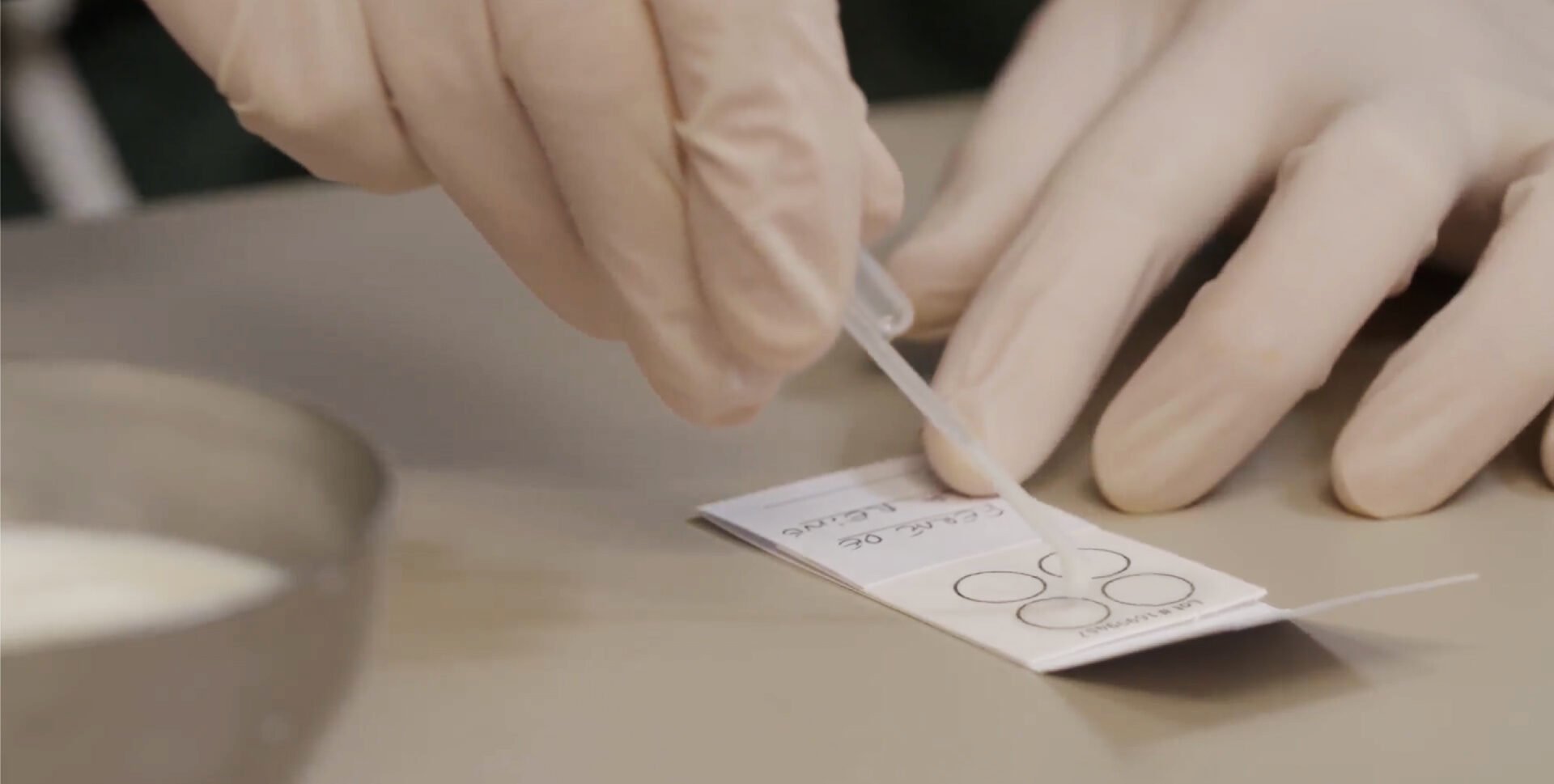
In an effort to simplify the diagnosis of this disease, Ceva’s ruminant team has developed a PCR diagnostic tool for Q fever, the Q Test. This is validated for use on bulk tank milk and is available in Ireland from Ceva. PCR on abortive materials and vaginal swabs are also available in Ireland.
Serology ELISAs are available to measure antibody levels, which can be useful as an indicator of exposure to the bacteria in unvaccinated animals.
To find out about Ceva supported Q fever diagnostics please contact us.
Prevention is key
Q Fever vaccination is important for protecting infected cows and herds, and also for decreasing shedding in infected herds to reduce the clinical impact of the disease, reduce zoonotic risk and break the cycle of the bacteria.
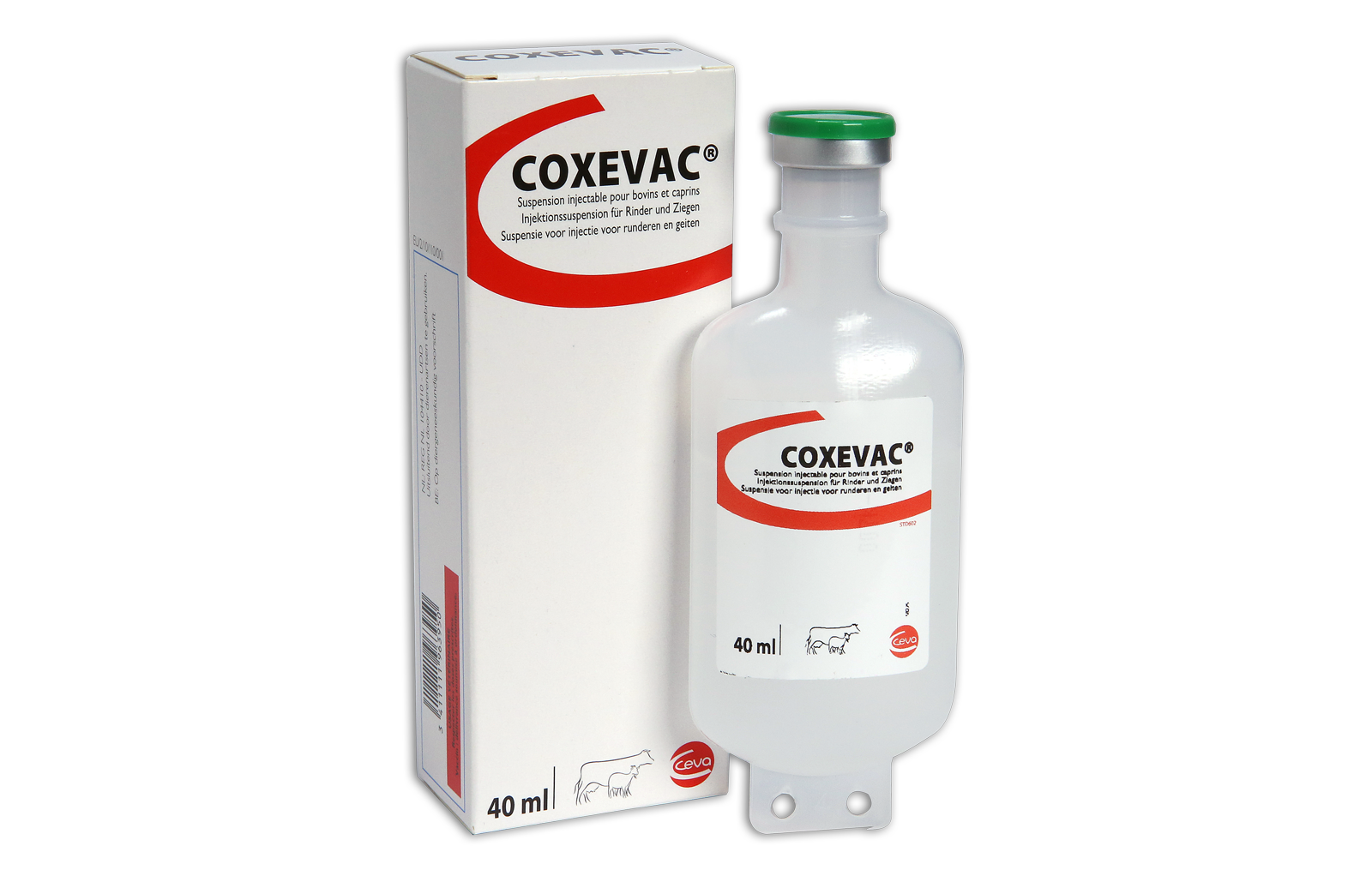
Coxevac has proven efficacy in reducing clinical signs and shedding of the bacteria by ruminants. By controlling the disease in animals, the vaccine also reduces the risk of transmission to humans.