


 Neonatal Diarrhoea


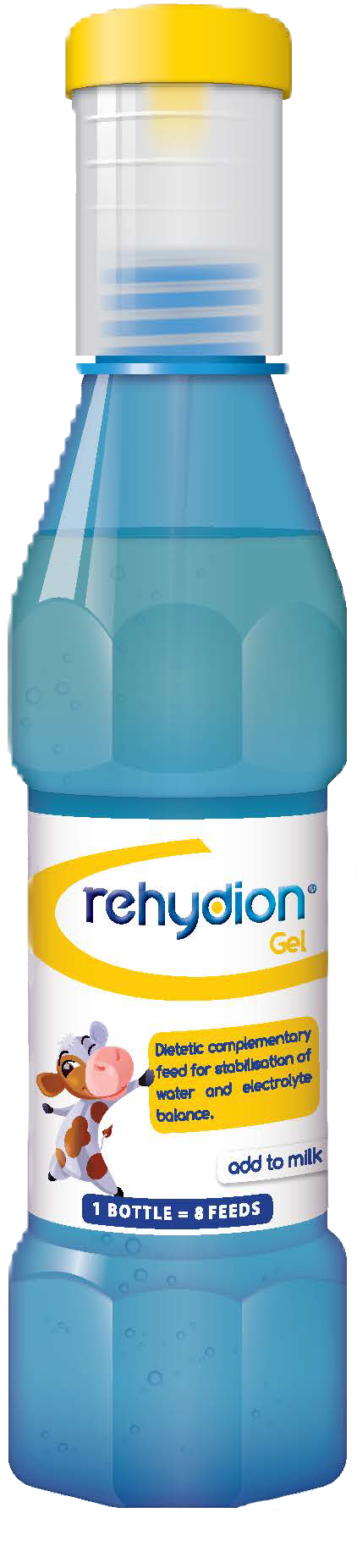
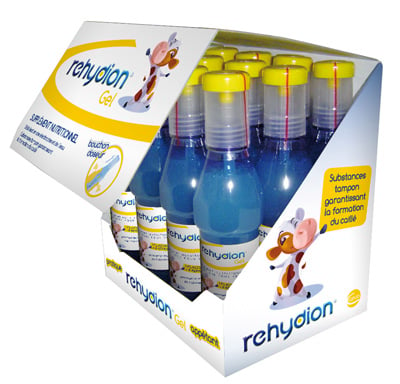


Rehydion Gel
Rehydion Gel can also be used proactively to support calves and lambs that are potentially at risk of stress or infection e.g.
• if slow to suckle
• weaning or feed change
• from handling and transportation
• when in contact with other scouring animals
Available in:
- 320 mL
Target species:
-
 Cattle
-
 Goat
Goat
-
 Sheep
Sheep
Product information
Share this product


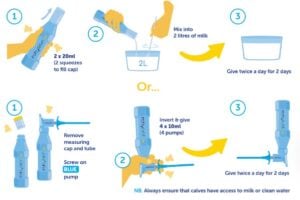
How to use in calves
- 2 feeds a day for 2 days
- 20ml per 1 litre of milk, per feed
- 4 x 10ml pumps per feed
- 1 bottle = 8 feeds
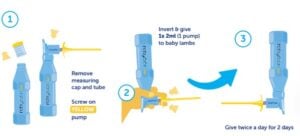
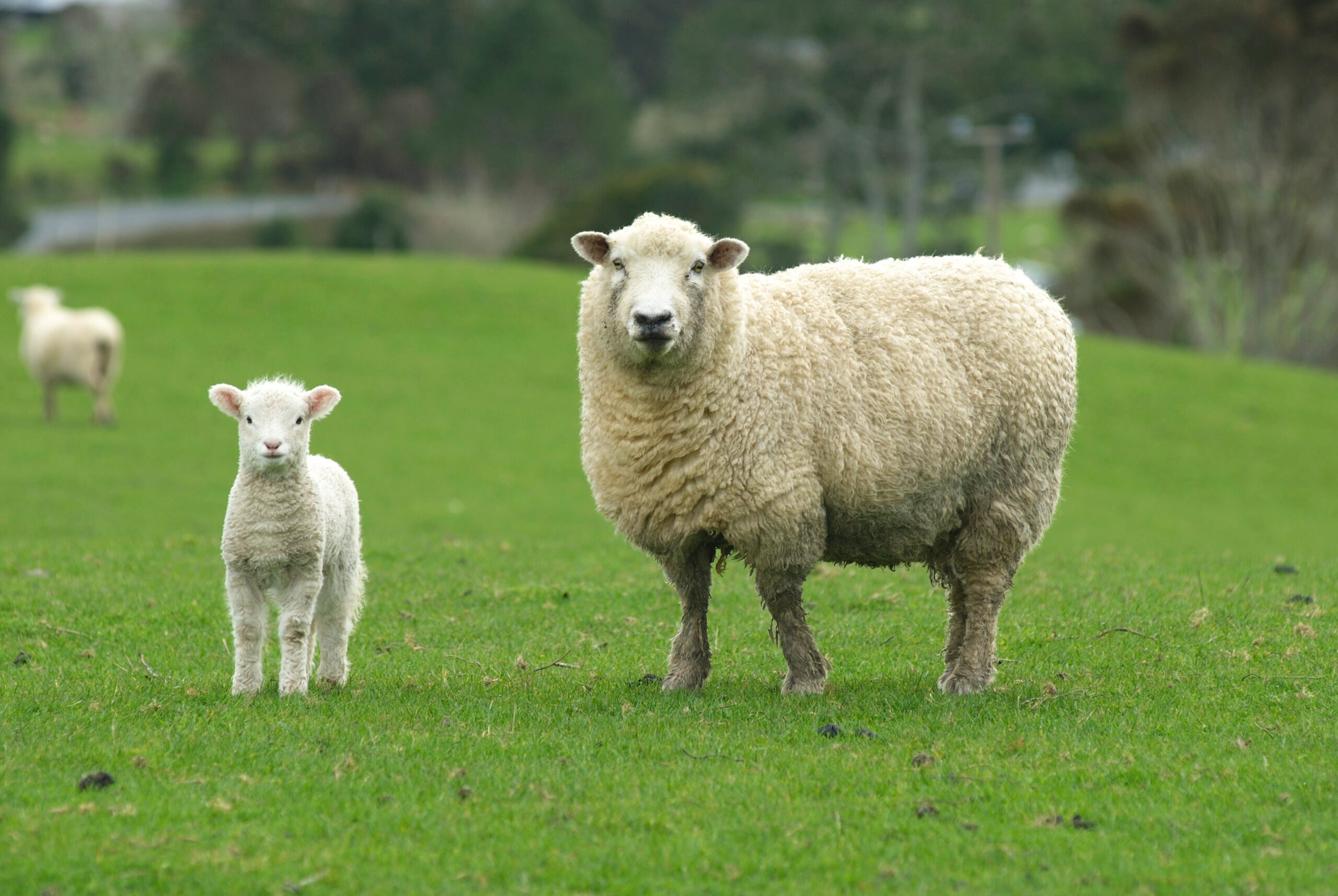
How to use in Lambs
- 1ml per kg, per feed
- 1 x 2ml pump per 2kg lamb, per feed
- 1 bottle = up to 160 feeds
Why choose
Rehydion?

Sufficient essential electrolytes per dose
Rehydion is ready to use oral rehydration therapy gel that provides sufficient essential electrolytes to reduce acidosis risk

Can be given without removing milk feed
Allows continued milk feeding (when given at the recommended levels), as it does not disturb milk clot formation or delay abomasal emptying1

Easy to use
Rehydion can be mixed (and stays mixed) with milk or water, using the dosing cap, or it can be administered directly using a dosing pump/syringe
Read more
References
1 Constable 2009. Comparative effects of two oral rehydration solutions on milk clotting, abomasal luminal pH and abomasal emptying rate in suckling calves. J. Dairy Sci 92:296-312.